 MyTattooStencil
Sleeve Tattoo Ideas for an Artist Conversation
Plan a sleeve around a few connected subjects, a consistent visual style and room for transitions.
Sleeve planning worksheet
- Theme
- A short subject list; Consistent direction
- Focal areas
- Separate concept references; Priority and scale
- Transitions
- Open-space preferences; Connect around movement
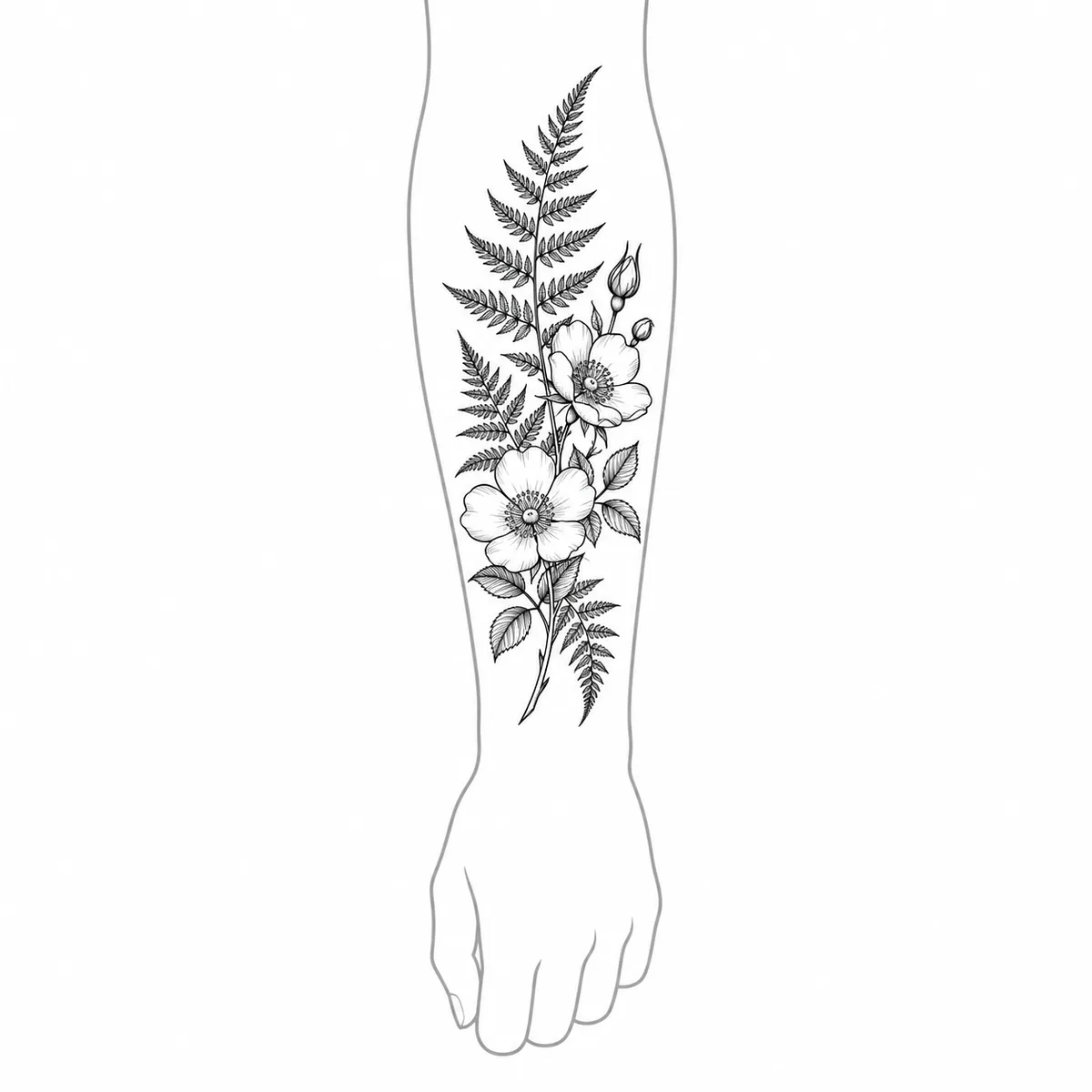
Start with a theme and focal point
List the subjects that matter most, then mark which should be prominent. Leave room for your artist to connect them with rhythm and negative space.
Build it with your artist
A sleeve follows a moving three-dimensional surface. Flat references cannot predict how a complete composition will wrap, heal or age. Review several angles and a staged plan with your artist.
Questions, answered.
Where should I start when planning a sleeve?
Choose a theme, a few focal subjects and a consistent style. Bring separate references rather than demanding one exact flat image.
Can a flat preview predict a full sleeve wrap?
No. A sleeve follows a moving three-dimensional surface; the static template only suggests placement.
How can I connect several sleeve motifs?
Discuss rhythm, transitions and negative space with your artist so the parts form a coherent composition.
Should I include existing ink in a sleeve plan?
Yes. Show it to your artist early, because it affects composition, coverage and available space.
Can I use multiple generated ideas in a consultation?
Yes. Use them to explain preferences and let your artist adapt the scale, details and overall plan.
Keep exploring
AI-generated, for reference only. Consult a licensed tattoo artist before tattooing. We do not provide medical advice.